Analyzing B2B Sourcing Capabilities, Technical Knit Infrastructures, and Comparative Advantages Between Chittagong Garment Hubs & China's Custom Manufacturing Prowess
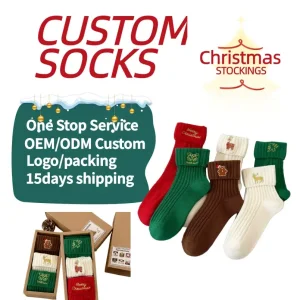
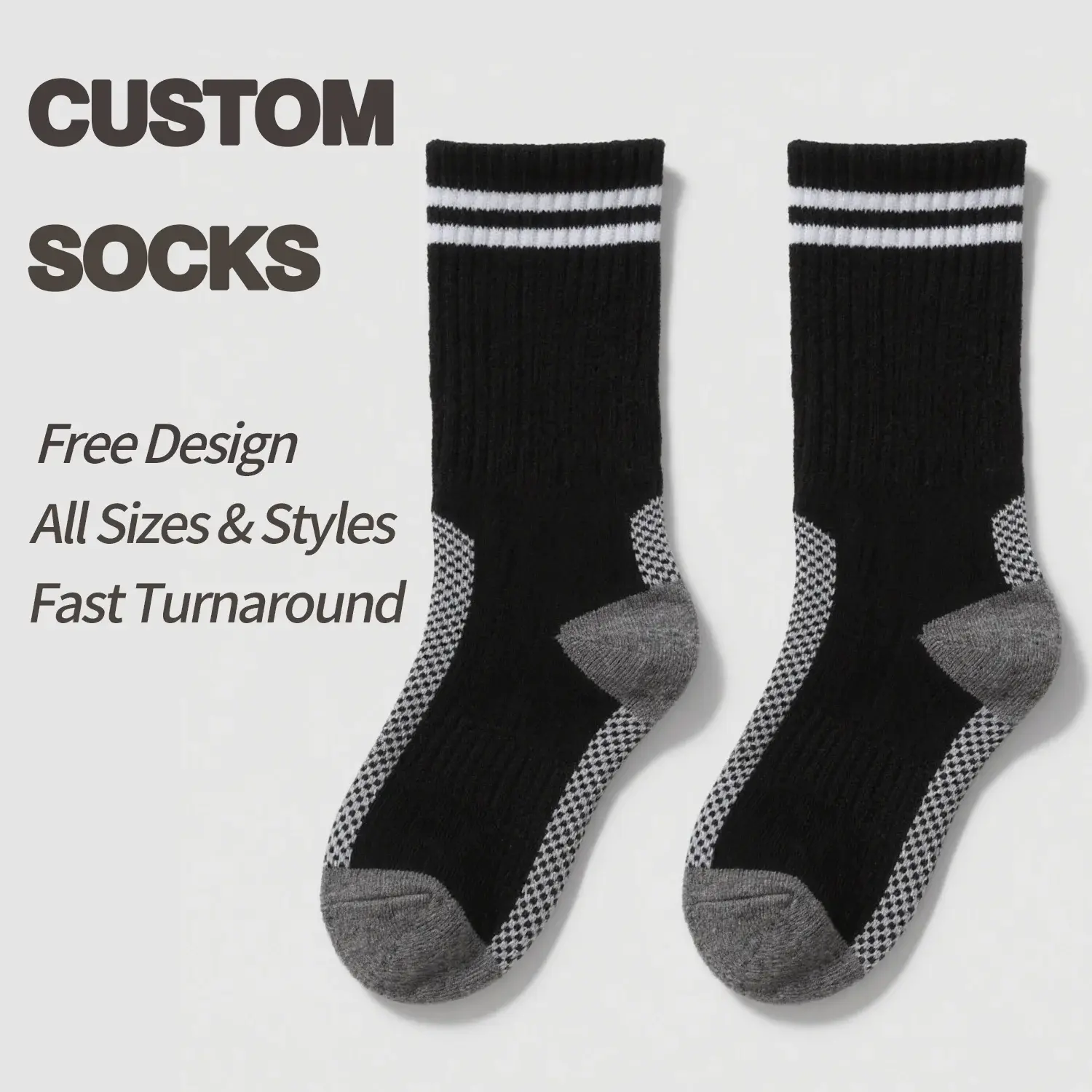
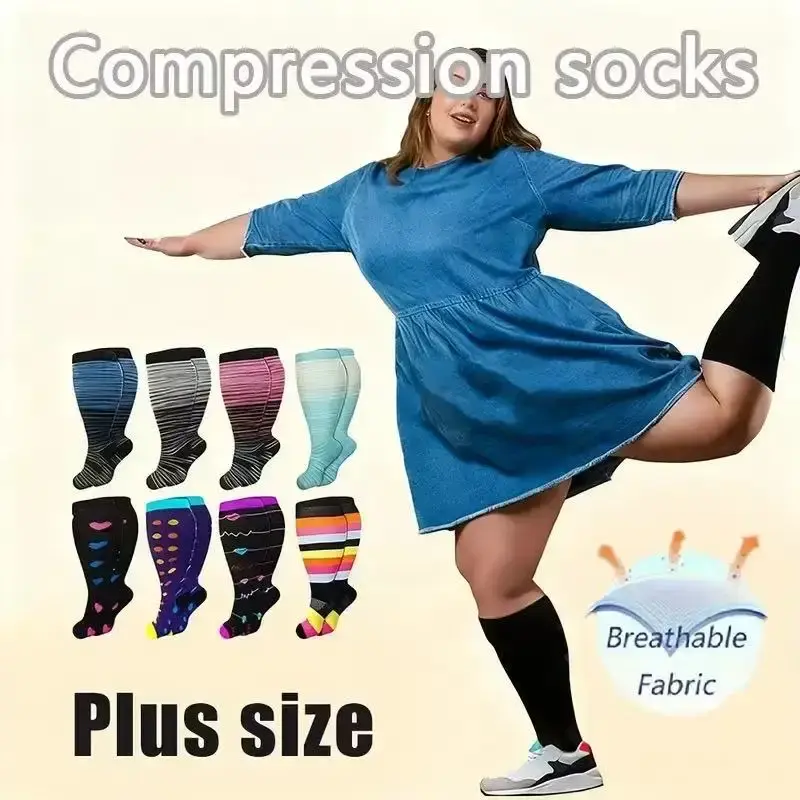
Featured high-density knits and novelty design structures configured for global B2B procurement networks, comparing localized Chittagong apparel markets.
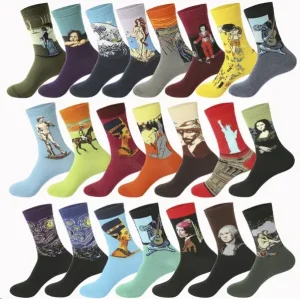
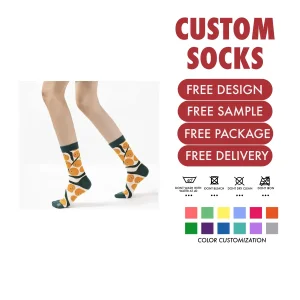
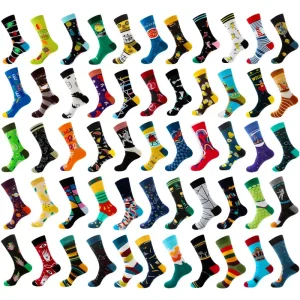
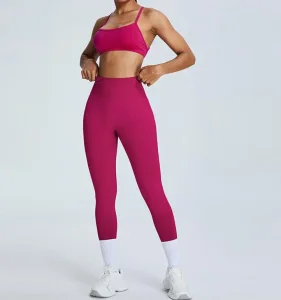
Chittagong, officially known as Chattogram, is the premier port city of Bangladesh and the operational heart of the nation’s massive Ready-Made Garment (RMG) export engine. While historically dominated by woven cotton shirts and denim products, the Chittagong market has rapidly adapted to meet the explosive global demand for yoga leggings, fitness apparel, and performance activewear.
Within key industrial zones such as the Chittagong Export Processing Zone (CEPZ) and the Karnaphuli EPZ (KEPZ), modern manufacturing facilities have integrated specialized flatlock sewing machines and circular knitting technologies. The primary focus of these factories has been bulk, high-volume production leveraging the region's competitive labor structures. However, sourcing yoga leggings directly from the Chittagong market involves navigating specific regional parameters, including raw material import dependencies (most high-elastane synthetic fibers like Nylon and Spandex must be imported from China), domestic energy reliability, and complex port logistics.
For international buyers prioritizing pure volume and direct duty-free access under general systems of preference (GSP) schemes in the EU, Chittagong’s local ecosystem offers unique fiscal benefits. Yet, the lack of a fully integrated vertical supply chain for synthetic technical fabrics remains a bottleneck that buyers must manage through strategic co-loading and long-lead-time planning.
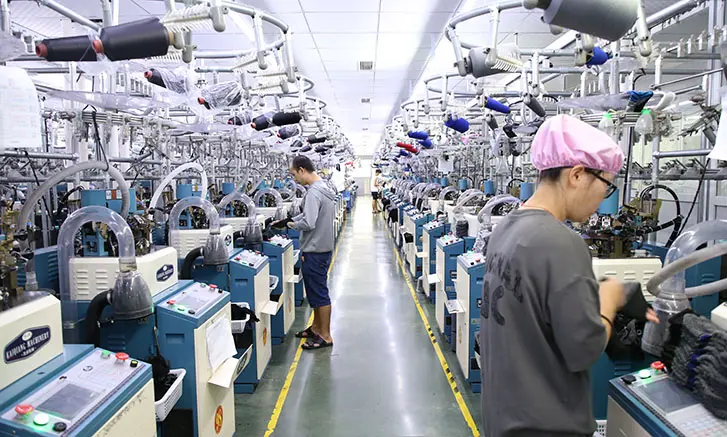
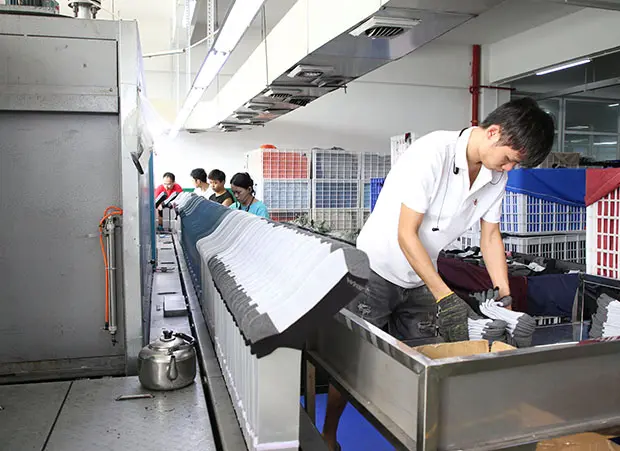
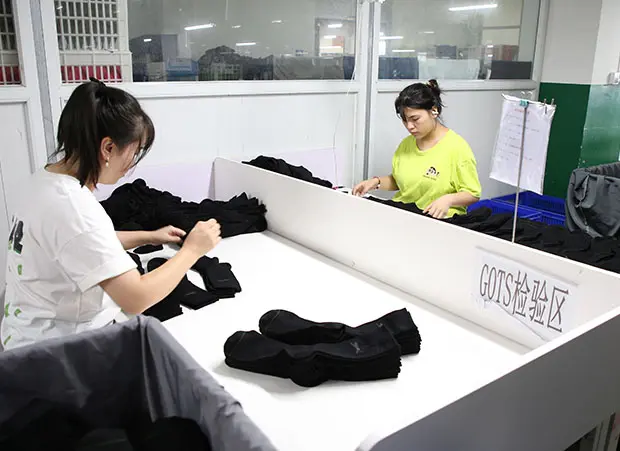
While Chittagong excels in bulk assembly, Ningbo C-MAX represents China's advanced technical textile manufacturing tier, offering vertical supply chain integration that minimizes time-to-market. The core difference lies in technical capability: C-MAX houses over 500 state-of-the-art circular knitting machines ranging from 52N to 320N (needle count). This spectrum allows for structural variation, enabling the production of everything from coarse-gauge, heavy-thermal leggings to ultra-fine, lightweight performance running compression socks.
In technical garments like yoga leggings and multi-density sports socks, fabric performance is determined at the yarn level. Ningbo C-MAX maintains local partnerships with raw material chemical plants to source engineered fibers, including GOTS-certified organic cotton, GRS-recycled polyester/nylon, moisture-wicking Coolmax, temperature-regulating merino wool, and eco-friendly Tencel/Modal. This integration ensures rapid prototyping and customized yarn formulations that Chittagong-based manufacturers cannot easily replicate due to import lag times.
Additionally, Chinese production systems utilize automated CAD cutting, digital 360-degree printing, and advanced seamless knitting technologies. This level of automation reduces the risk of human error, maintains strict dimensional stability across bulk orders, and accommodates low Minimum Order Quantities (MOQs) with fast delivery timelines.
Our industrial capacity, global reach, and extensive research and development operations.
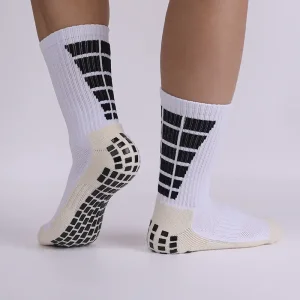
Technical athletic gear engineered with multi-density compression zoning and high-elasticity fiber profiles.
Established in 2000, Ningbo Cmax-Textile Co., Ltd has developed into an exporter of high-quality activewear and technical hosiery. Our facilities cover a total land area of 20,000 square meters, supported by more than 100 skilled production staff and 10 management professionals. Our production capabilities include an array of 500+ circular knitting machines, ranging from 52N to 320N, yielding an annual output value that exceeds USD $15 million.
Headquartered near the deep-water shipping channels of Ningbo Port, we manage shipping operations that minimize lead times. Our core product lines include socks, technical slippers, seamless tights, and functional leggings. We offer flexible OEM and ODM services, working with client-submitted specifications, physical samples, or concepts to deliver finished products. We support brands at various stages of growth by maintaining low minimum order quantities (MOQs) and structured production cycles.
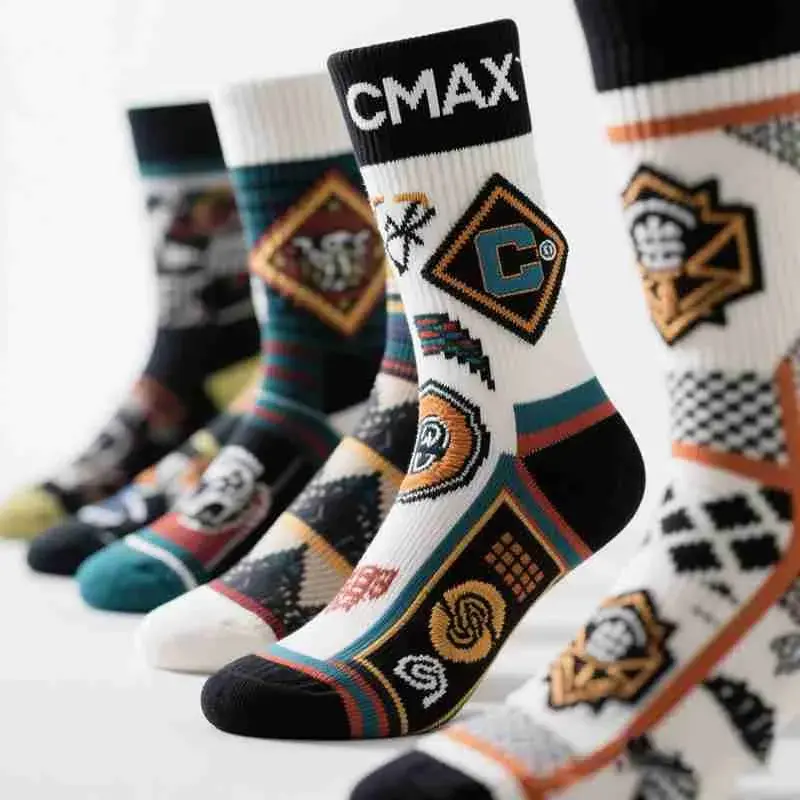
Understanding logistics, technical capabilities, and compliance metrics for global apparel brands.
| Sourcing Feature | Chittagong Factories | China (Ningbo C-MAX) |
|---|---|---|
| Technical Yarn Access | Relies heavily on yarn imports from China/India; lead time constraints. | Direct, local integration of GOTS, Coolmax, Tencel, and GRS-recycled fibers. |
| Machinery Ranges | Mainly standard cotton knitting & assembly (flatlock/overlock). | 500+ circular machines ranging from 52N coarse up to 320N ultra-fine gauges. |
| Lead Times | 45 - 75 Days (affected by regional logistics and port processing times). | 20 - 35 Days (direct access to Ningbo Port). |
| MOQ Flexibility | High MOQ requirements (typically 5,000+ units per colorway). | Low and flexible MOQs for customized orders. |
| Design & Customization | Focuses on high-volume basic styles and bulk orders. | Full ODM services, engineered compression zones, and novelty structural designs. |
| Compliance Audits | Primarily Accord/RSC, basic BSCI and local safety audits. | OEKO-TEX, BSCI, WRAP, SEDEX, Disney FAMA, GOTS, OCS certifications. |
Global activewear supply chains require strict social and environmental compliance. Our production facilities hold certifications from international auditing bodies, including OEKO-TEX Standard 100, BSCI, WRAP, SEDEX, and Disney FAMA. For organic and sustainable product lines, we maintain professional GOTS (Global Organic Textile Standard) and OCS (Organic Content Standard) certificates, providing documented verification of sustainable sourcing for high-performance activewear and fashion hosiery.
Explore our technical sports socks, thermal liners, and custom packaged hosiery lines, manufactured to international export standards.
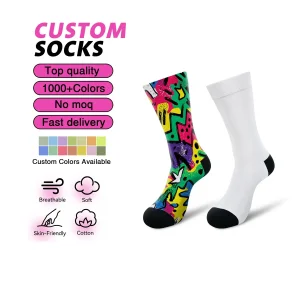
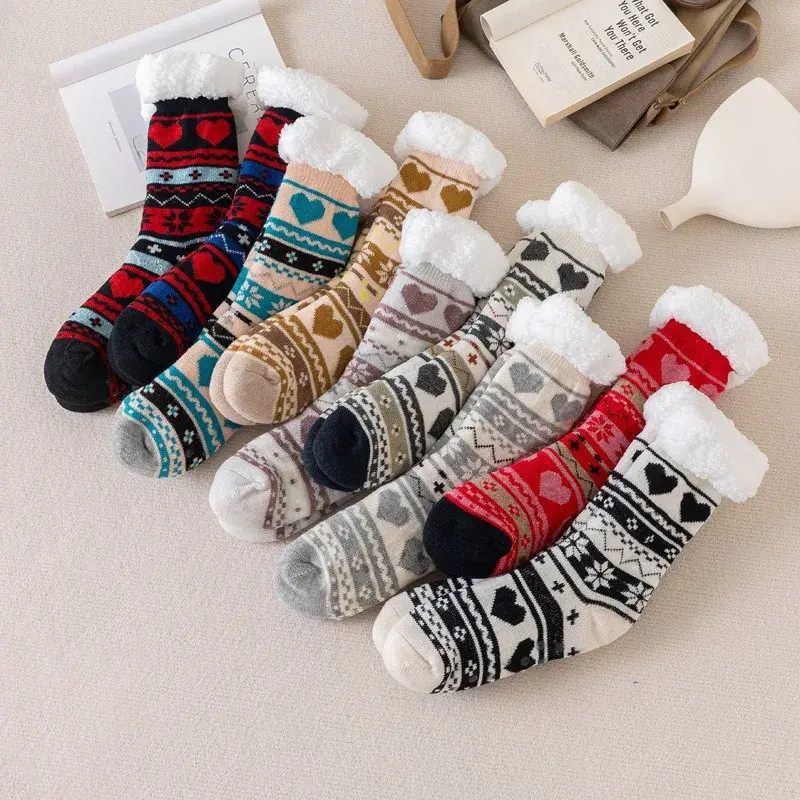
Key considerations for design teams, procurement managers, and logistics coordinators.
Yoga leggings require dimensional recovery to prevent fabric deformation during movement. High-performance leggings typically feature a blend of 75% Nylon and 25% Spandex (Elastane) or 80/20 Polyester-Spandex. Sourcing teams must verify yarn quality to ensure the fabric retains its shape, provides adequate opacity (preventing sheer fabric issues), and manages moisture effectively.
Standard yoga legging production involves cut-and-sew operations utilizing four-needle, six-thread flatlock stitching. Modern seamless manufacturing uses circular knitting machines to produce tubular structures that minimize seams, reducing friction points for the wearer. Seamless knitting requires specialized high-gauge machinery and digital programming for compression zoning.
Procurement teams should evaluate production options based on complexity and lead times:
Addressing technical, logisitical, and quality questions for B2B activewear and hosiery sourcing.
Chittagong factories often rely on importing synthetic fibers, such as high-elasticity nylon and spandex, from China or India, which can extend initial setup times. Chinese factories like Ningbo C-MAX operate within integrated local supply chains, allowing for direct access to standard and specialty yarns, including GOTS-certified cotton, GRS-recycled synthetics, Coolmax, and Tencel.
The needle count (N) indicates the density of the knit. Coarser gauges (e.g., 52N to 96N) are used for heavy thermal layers and thick slipper linings. Intermediate gauges (e.g., 144N to 168N) are standard for athletic socks. Fine gauges (e.g., 200N to 320N) produce high-density, lightweight, and compression fabrics suitable for performance running socks, seamless tights, and yoga leggings.
Ningbo Port is a major deep-water port with direct transpacific and transatlantic routes, yielding ocean transit times of approximately 15 to 22 days to Western markets. Chittagong Port handles high volumes but can experience seasonal congestion, and feeder vessels often route through transshipment hubs like Singapore or Colombo, resulting in transit times of 30 to 45 days.
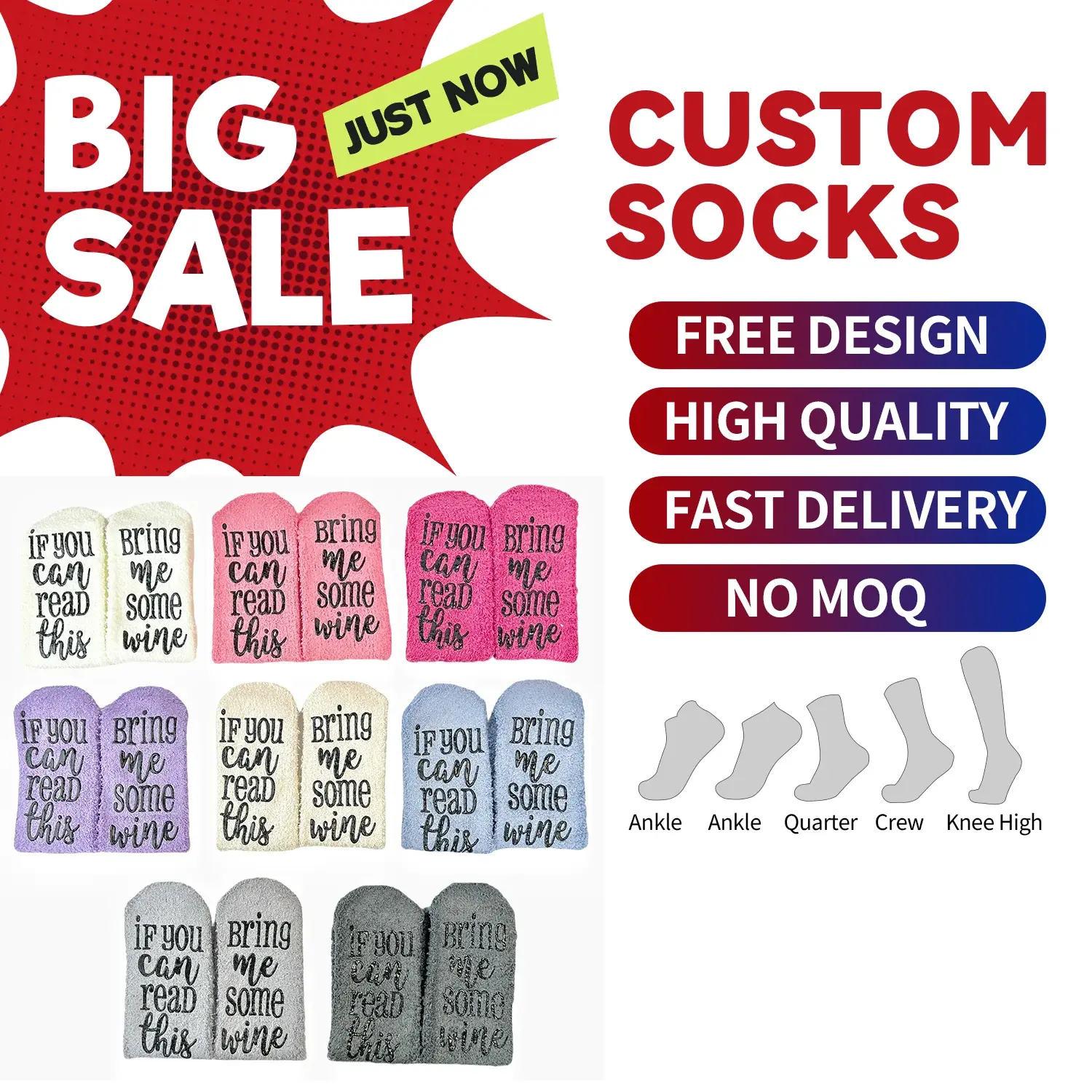
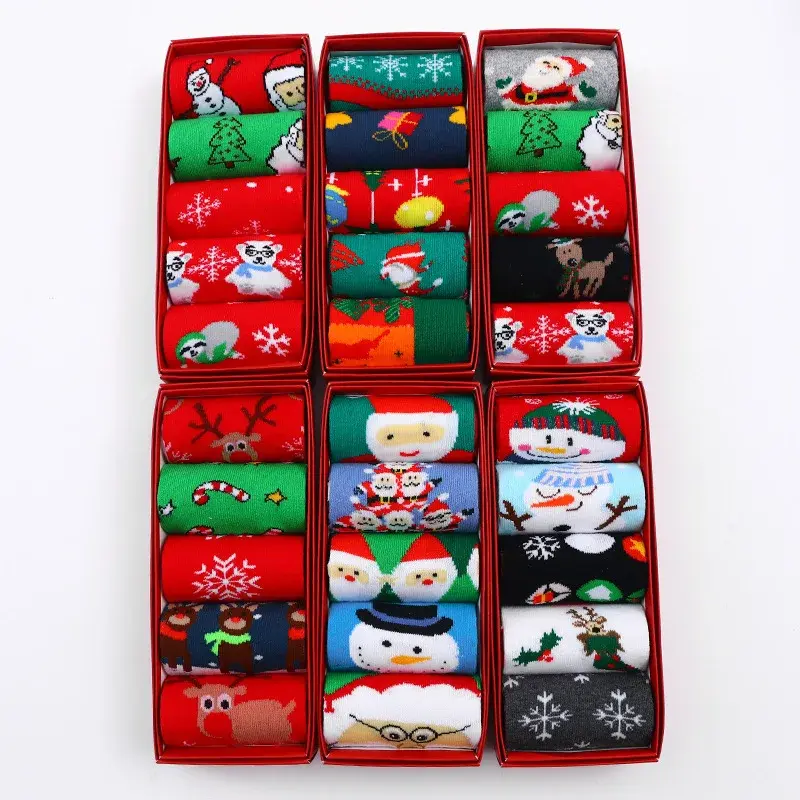
Yes. We specialize in custom packaging designs, including themed packaging that presents rolled socks as novelty items (e.g., sushi, pizza, burgers, or donuts). This capability helps brands create retail-ready products with strong shelf appeal.
Our manufacturing facilities maintain certifications including OEKO-TEX Standard 100, BSCI, WRAP, SEDEX, and Disney FAMA. For sustainable product lines, we provide certified tracing under the Global Organic Textile Standard (GOTS) and Organic Content Standard (OCS).
Contact Ningbo C-MAX Textile today. Partner with an experienced manufacturer to access technical fibers, flexible MOQs, and reliable production capacity.
 Cmax Textile