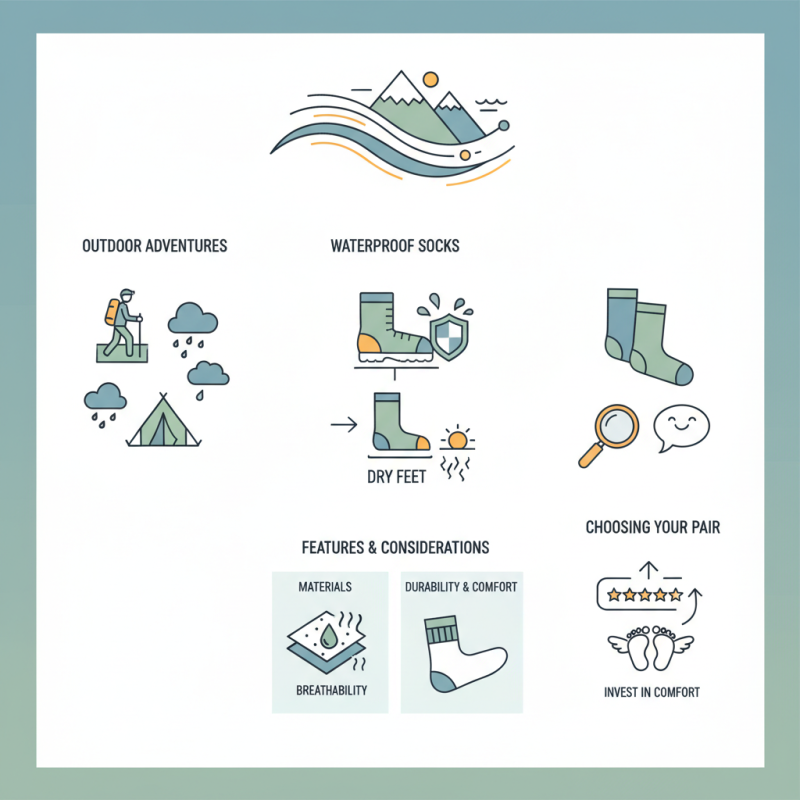
When outdoor adventures beckon, having the right gear is essential. One crucial component is waterproof socks. These specialized socks provide protection against moisture, ensuring your feet stay dry in all weather conditions. Whether you're hiking, trekking, or merely walking in the rain, waterproof socks can make a significant difference.
The best waterproof socks offer a blend of comfort and functionality. They are designed with advanced materials that repel water while allowing breathability. Some may question the effectiveness of these socks, especially in extreme conditions. It's important to understand that not all waterproof socks are created equal. Certain brands may excel in waterproofing but lag in durability.
Choosing the right pair can be challenging. You might invest in a pricey option only to find them uncomfortable during long hikes. It's essential to read reviews and consider your specific needs. Remember, what works for one person might not work for you. Nevertheless, finding reliable waterproof socks is an investment in comfort during your outdoor activities.
When exploring the options available for waterproof socks, various types cater to distinct needs. Many socks feature a three-layer construction. The inner layer manages moisture while providing comfort. The middle layer often consists of a waterproof membrane, ensuring no water seeps in. Finally, the outer layer offers durability and protection against wear and tear.
Another category includes neoprene socks. These are popular among water sports enthusiasts. They provide excellent insulation in frigid water environments. However, they might not be breathable enough for extended hikes. Users often note that while they keep feet warm, they can feel clammy after prolonged use.
Lightweight waterproof socks made from synthetic materials are also common. They are designed for outdoor activities like hiking and biking. These socks ensure your feet remain dry during light rain or splashes. The downside? They may not perform well in heavy downpours. Each type of waterproof sock has its advantages and limitations. Understanding these nuances helps users choose the best fit for their adventures.
| Type of Waterproof Sock | Material | Temperature Rating (°C) | Breathability Level | Weight (grams) | Durability (years) |
|---|---|---|---|---|---|
| Neoprene Socks | Neoprene | -10 to 15 | Low | 250 | 3-5 |
| Merino Wool Socks | Merino Wool | -5 to 20 | High | 150 | 2-4 |
| PU Coated Socks | Polyurethane | 0 to 25 | Medium | 200 | 3-6 |
| Seam-Sealed Socks | Polyester | -10 to 20 | Medium | 180 | 4-7 |
| Gore-Tex Socks | Gore-Tex | -5 to 30 | Very High | 160 | 5-10 |
| Waterproof Thermal Socks | Thinsulate | -15 to 10 | Medium | 220 | 4-8 |
: Common materials include waterproof membranes, nylon blended with spandex, and merino wool for insulation.
Moisture-wicking helps keep feet dry by allowing sweat to escape while providing waterproof protection.
Nylon blends offer great durability, but they may sacrifice breathability, leading to discomfort over time.
Think about the conditions you will face, such as temperature and duration of wear, to enhance comfort.
Wash gently in cold water with mild detergent. Air dry them, avoiding direct heat to protect the materials.
Store them in a cool, dry place, avoiding compression to prevent distortion and damage over time.
No, waterproof socks may perform differently in environments, affecting insulation and overall effectiveness.
Regularly inspect for signs of wear. Address small damages immediately to prevent larger issues later.
Waterproof socks are essential for outdoor enthusiasts who face varying weather conditions. Available in multiple types, these socks cater to different activities, from hiking to casual wear. When choosing quality waterproof socks, it's important to consider key features such as breathability, comfort, and insulation. The materials used in their production, including advanced synthetic fibers, significantly impact their performance and durability.
To ensure the longevity of waterproof socks, proper care and maintenance are crucial. This includes washing them according to the manufacturer's instructions and avoiding harsh chemicals. By selecting the right type of waterproof socks and adhering to maintenance tips, individuals can enhance their outdoor experiences while keeping their feet dry and comfortable throughout all weather conditions.

 Cmax Textile