Selecting the right sport grip socks is crucial for enhancing performance in various athletic activities. According to a report by the Sports & Fitness Industry Association, nearly 80% of athletes report that their choice of gear significantly impacts their performance. Sport grip socks offer superior traction, reducing the risk of slips during intense movement. This feature can make a visible difference in sports like yoga, dance, and team games.
The material and fit play an essential role in comfort and effectiveness. Studies show that well-fitted socks prevent blisters and improve circulation. Many athletes underestimate the importance of subtle details, such as toe design and arch support. Sport grip socks should not only fit well but also complement an athlete's specific needs. Often, athletes overlook the fact that the wrong sock can hinder their performance.
When choosing sport grip socks, consider seeking guidance from trusted brands known for quality. This ensures reliability, but don't forget to listen to your own comfort preferences. Reflecting on past experiences can help you find the perfect pair. The journey to finding the ideal sport grip socks is an individual one, often requiring trial and error.
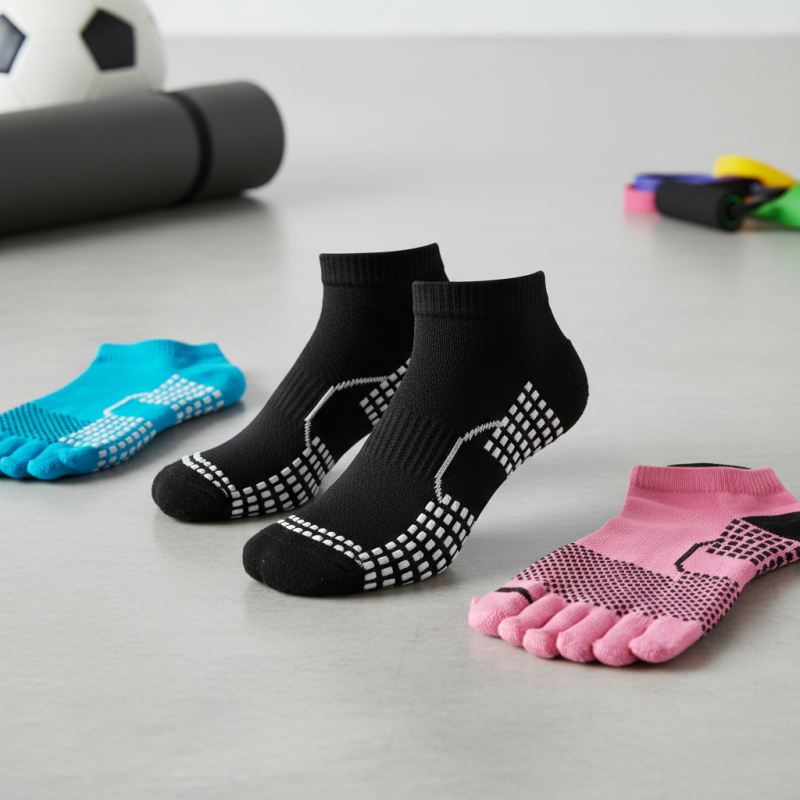
Understanding the Importance of Grip in Sport Performance Socks
Grip plays a crucial role in
sport performance socks. It enhances stability and prevents slipping during intense activities. Quality grip socks feature specialized textures and materials that improve traction. This is vital for athletes involved in agility-based sports. Without proper grip, even a minor slip can lead to injury or loss of balance.
When selecting sport grip socks, consider the material. Look for breathable fabrics that wick away moisture. This will keep your feet dry and reduce friction. The fit is also essential; socks that are too loose may bunch up, while overly tight ones can restrict blood circulation. Aim for a snug fit to ensure comfort and support.
Another tip is to evaluate the grip patterns. Different sports require different types of grip. For example, non-slip designs can benefit players on the court. Yet, those engaged in outdoor activities might prefer multi-directional patterns. It’s a good idea to test various types to find what works best for your sport.
Key Materials Used in High-Performance Sport Grip Socks
When selecting high-performance sport grip socks, understanding the materials is essential. The best socks utilize fabrics like polyester and nylon. These materials offer durability and moisture-wicking capabilities. According to the Sports & Fitness Industry Association, performance socks can enhance athletic performance by minimizing friction. This is key when choosing socks to prevent blisters during intense workouts.
Additionally, elastane plays a crucial role in providing elasticity and a snug fit. This ensures that the socks stay in place, enhancing grip. A study from the Journal of Sports Science and Medicine highlights that proper fit can improve energy efficiency during movement. However, not all socks are created equal; some may lack the necessary compression or support.
Cotton blends may seem comfortable, but they often absorb moisture, leading to discomfort. Professionals recommend avoiding cotton for serious athletes. The right sock materials can elevate performance, but it requires careful consideration. Many athletes still find themselves disappointed despite extensive research. Performance can diminish if the chosen socks don’t align with personal needs. Always test different styles to find what resonates most.
Best Tips for Choosing Sport Grip Socks for Performance
| Material |
Benefits |
Recommended Use |
Durability |
| Cotton Blend |
Breathable and moisture-wicking |
General workouts, casual use |
Moderate |
| Nylon |
Strong and elastic, retains shape |
High-intensity sports |
High |
| Polyester |
Quick-drying and lightweight |
Running, cycling |
High |
| Bamboo Fiber |
Soft, antibacterial, and eco-friendly |
Yoga, pilates |
Moderate |
| Merino Wool |
Insulating, moisture-wicking |
Cold weather sports |
High |
Evaluating Cushioning and Support Features in Sport Grip Socks
When selecting sport grip socks, cushioning and support features play a significant role in enhancing performance. The right cushioning can absorb impact and reduce fatigue. Look for socks with targeted padding in high-pressure areas. This helps to prevent blisters and enhances comfort during intense activity. Many socks offer varying levels of cushioning. Testing different types can reveal what works best for your foot shape and activity.
Support features are equally important. Arch support can stabilize your foot, reducing the risk of injury. Socks with compression zones may improve circulation, aiding in recovery. Some athletes mistake thicker socks for better support, but this isn’t always true. A balance between thickness and support is essential. While thicker socks may feel comfortable, they can also create slippage. This slippage can lead to decreased performance and potential injuries.
Don’t overlook breathability either. Materials that wick moisture help keep feet dry. Wet socks can lead to discomfort and blisters. Pay attention to the fabric blend, as it can affect performance significantly. Remember that what works for one athlete may not be ideal for another. Experimenting with different styles is crucial for finding the perfect fit. The right sport grip socks can elevate your performance and enhance your overall experience.
Size and Fit: The Optimal Approach for Sport Grip Sock Selection
Choosing the right size and fit for sport grip socks is crucial for optimal performance. An ideal sock securely hugs your foot, preventing slippage during intense activities. Measure both the length and width of your foot. Don't neglect the size charts; they provide essential guidance. Sizing can vary between manufacturers, so it’s wise to try before you buy.
Consider the thickness and material of the socks. A thicker sock may provide more cushion but can be restrictive. On the other hand, a thinner sock offers better breathability. The moisture-wicking properties of the fabric are vital too. They help keep your feet dry, reducing the risk of blisters. Think about the specific sport. Different activities might require socks with varying grips and support.
Take time to reflect on your personal needs. Are you prone to blisters? If so, a snug fit without tightness is necessary. Experiment with different options. You may find that more expensive socks do not always mean better performance. Prioritize comfort and stability. The right fit will enhance your athletic experience, while the wrong fit could hinder it.
Brand Reputation and User Reviews: Insights for Choosing Quality Socks
When selecting sport grip socks,
brand reputation often emerges as a key factor. A survey from the
American Sock Association found that
75% of consumers consider brand trust essential in their purchasing decisions.
Top brands usually invest in quality control, leading to better performance on the field.
However, the best-known brands aren’t always the best fit. Exploring user reviews can provide
insights into overlooked options.
User reviews can be surprisingly enlightening. A study by the
Sports Gear Research Institute noted that
68% of consumers rely on reviews before choosing athletic gear.
Many reviews highlight crucial elements like grip effectiveness, durability, and comfort
during intense workouts. Some customers have reported sock slippage, which can hinder performance.
Thus, examining feedback is crucial for making a knowledgeable choice.
In any case, it is also important to be critical.
While user reviews can guide your choice, they may not be entirely reliable.
Overly positive feedback may come from affiliates, not users.
Balancing personal experience with third-party reviews can lead to a more informed decision.
Do thorough research, and
listen to what others say.
This approach can steer you toward quality sport grip socks that truly enhance performance.
Conclusion
Choosing the right Sport Grip Socks is essential for enhancing athletic performance. Understanding the importance of grip can significantly impact stability and confidence during sports activities. High-performance Sport Grip Socks are typically made from materials that offer breathability and moisture-wicking properties, which help keep feet comfortable and dry. Additionally, evaluating the cushioning and support features can determine the level of comfort provided, allowing athletes to perform at their best.
When selecting Sport Grip Socks, size and fit are crucial; a proper fit ensures that the socks do not slip or cause discomfort during movement. Finally, considering brand reputation and user reviews can offer insights into the quality and effectiveness of the socks, guiding users toward making an informed decision. By focusing on these key aspects, athletes can find the ideal Sport Grip Socks to enhance their performance and overall athletic experience.

 Cmax Textile