Silk socks for warmth have gained attention in recent years. Many people seek comfortable alternatives to standard socks. The luxurious feel of silk is hard to ignore. These socks not only keep your feet warm but also offer numerous benefits.
Imagine slipping into a pair of smooth, soft silk socks on a chilly morning. The fabric regulates temperature, providing warmth without overheating. Silk socks for warmth are lightweight yet surprisingly effective. They can boost circulation and maintain your foot health.
However, not all silk socks are created equal. Some might not fit well or wear out quickly. It’s important to choose quality over quantity. With the right choices, silk socks can be a game-changer for your comfort during colder months.
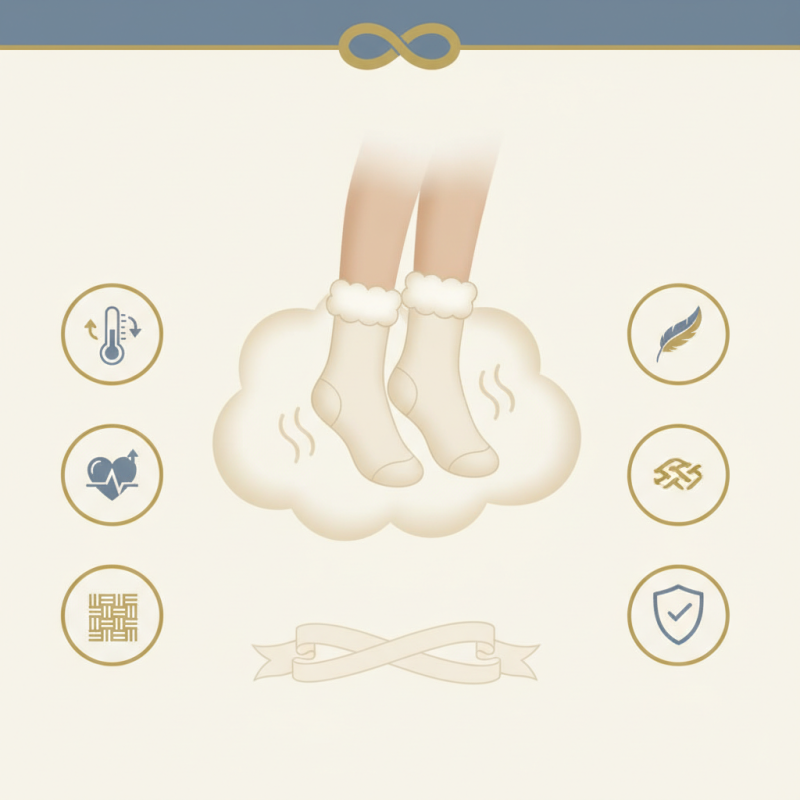
Silk has unique properties that contribute significantly to warmth. Its natural fibers create a lightweight structure, trapping heat close to the skin. This means silk socks can provide warmth without feeling bulky. They hug the feet snugly, offering comfort during chilly mornings. Unlike wool, silk doesn’t itch. This makes it a great alternative for sensitive skin.
When considering warmth benefits, the moisture-wicking ability of silk is noteworthy. It absorbs moisture without making the feet feel damp. This evaporation process helps maintain an even temperature. Imagine slipping on your silk socks and feeling how they regulate warmth and keep you cozy.
Yet, it’s essential to reflect on the care of silk. The delicate fibers require gentle washing and proper storage. Damage can occur easily, leading to tears or a loss of warmth retention. Investing time in maintenance is necessary for their longevity. The advantages of silk often come with responsibility, and awareness of this is crucial for maximizing benefits.
| Feature | Description | Benefits |
|---|---|---|
| Natural Thermal Regulation | Silk provides natural insulation, helping to maintain body temperature. | Keeps feet warm in winter and cool in summer. |
| Moisture-Wicking Properties | Silk can absorb moisture without feeling wet, keeping feet dry. | Prevents blisters and uncomfortable moisture build-up. |
| Soft and Comfortable Texture | Silk is smooth against the skin, reducing irritation. | Enhances overall comfort during wear. |
| Lightweight | Silk is a lightweight material, making socks easy to wear. | Ideal for layering under other socks or footwear. |
| Durability | High-quality silk can withstand regular wear without tearing easily. | Long-lasting investment for high-performance socks. |
Silk socks are often overlooked, yet they offer unique benefits for temperature regulation. The natural properties of silk help maintain a comfortable climate for your feet. When it’s cold, silk provides warmth. When it’s warm, it manages moisture effectively, keeping your feet dry. This balance is essential for all-day comfort.
Many people don’t realize how silk's breathability affects temperature control. It allows air to circulate, preventing sweaty feet. However, if you don't choose the right size, silk can feel restrictive. Some may find it slippery or less durable than other materials. It's worth noting that silk requires special care, which might put off some users.
Wearing silk socks can significantly enhance your comfort. They reduce friction and can be gentler on sensitive skin. Many report feeling a cozy softness, making them ideal for lounging or dressy occasions. In colder months, slipping into silk socks can turn an ordinary evening into a luxurious experience. However, users must assess their lifestyle needs. Silk might not always be the most practical choice for rugged outdoor settings.
When it comes to warmth and comfort, silk socks stand out among various materials. Unlike cotton or wool, silk offers a unique thermal regulation that keeps your feet warm without overheating. A study by the Textile Research Journal indicates that silk can maintain temperature better than synthetic fibers, which often trap moisture. This property is crucial for warmth, especially in cold environments.
Silk's lightweight and smooth texture enhance comfort. Unlike wool, silk is less abrasive and rarely causes itching. However, it requires careful handling. Silk socks can be easily damaged if not washed properly. They may not be suitable for every occasion, especially in rugged outdoor conditions. While they excel in providing warmth indoors, their delicate nature limits their practicality in rough usage.
In terms of breathability, silk surpasses many materials. It allows for good air circulation, preventing sweaty feet. While some may prefer the bulk of wool for heavy winter, silk can be a luxurious alternative. It is essential to strike a balance between warmth and durability when selecting socks. Thus, consider your specific needs before making a choice.
When seeking the best silk socks, there are specific features that enhance warmth and comfort. High-quality silk socks should have a tight weave. This design creates an insulating layer that traps warmth. According to a report by the Textile Research Institute, silk fibers can retain heat better than many synthetic alternatives. This property is essential for cold weather.
Moisture-wicking capabilities are another critical feature. Silk naturally draws moisture away from the skin. This reduces humidity and keeps feet warm. A study from the Journal of Textile Science indicates that moisture management can enhance comfort levels significantly. Silk can absorb up to 30% of its weight in moisture without feeling wet. However, some find that silk can lose its insulating power when overly damp.
Additionally, consider the sock’s weight and thickness. Lightweight options provide a snug fit in shoes. However, thicker socks are ideal for added warmth. A balance must be struck. Too thick may lead to discomfort, while too thin may not provide enough warmth. Choosing the right thickness is a personal journey. It varies with individual preference and climate conditions. Ultimately, selecting silk socks is about understanding your needs for warmth and comfort.
Maintaining silk socks can significantly enhance their warmth benefits. Silk fibers are known for excellent insulation properties. According to a recent textile study, silk can effectively retain body heat, making it ideal for cold weather. This natural material also absorbs moisture, helping to keep feet dry and comfortable.
To preserve the warmth and longevity of silk socks, proper care is essential. Hand washing in cold water with a gentle detergent is recommended. Many users overlook the importance of avoiding harsh chemicals. Air drying is preferable too, as high heat can damage silk fibers. A simple, thoughtful approach to care can yield significant benefits.
Storing silk socks correctly is another critical aspect. Keeping them in a cool, dry place can prevent mildew and odor. Folding, rather than hanging, will help maintain their shape. Users often neglect these details, only to find their beloved silk socks less effective. Paying attention to these maintenance tips can help ensure that silk socks continue to provide warmth and comfort for many seasons.
: Silk's natural fibers create a lightweight structure that traps heat close to the skin.
Unlike wool, silk doesn’t itch, making it better for sensitive skin while providing warmth.
Yes, silk absorbs moisture and helps maintain an even temperature, keeping feet dry.
Hand wash in cold water with a gentle detergent and avoid harsh chemicals for longevity.
Store them in a cool, dry place and fold them to maintain their shape.
Silk socks excel indoors but may not be practical for rugged outdoor conditions due to their delicate nature.
Regular care, gentle washing, and proper storage are essential for their durability and warmth.
Yes, silk allows good air circulation, preventing sweaty feet compared to other materials.
Balance warmth and durability based on your specific needs and activities.
Proper care requires attention, as neglect can lead to damage and reduced warmth effectiveness.
Silk socks for warmth offer a unique blend of properties that make them an ideal choice for temperature regulation. The natural insulating capabilities of silk create a warm microclimate for your feet, ensuring comfort in both cool and warmer conditions. Unlike many other materials, silk effectively wicks moisture away, reducing the risk of dampness and maintaining warmth throughout the day.
When choosing high-quality silk socks, it's essential to look for features such as seamless construction, reinforced toes, and appropriate thickness to enhance comfort and durability. Proper care and maintenance of silk socks are also crucial to preserving their warmth benefits, which can be achieved through gentle washing and careful storage. Overall, investing in silk socks for warmth can significantly enhance your comfort while providing effective thermal regulation.